
Best Diet for PCOD to Improve Hormonal Balance
Polycystic Ovarian Disease (PCOD) is a common hormonal disorder affecting women today. According to Dt. Bhushan Khedkar, one of the best dietitians in Pune, the best diet for PCOD to improve hormonal balance is essential, as PCOD is not just about irregular periods or weight gain. It is closely linked with hormonal imbalance, insulin resistance, and metabolic issues. At NutrOHeal Diet and Obesity Clinic, women with PCOD are guided with personalised diet and lifestyle plans that focus on hormonal balance, weight management, and overall well-being. With the right foods and daily habits, PCOD symptoms can be improved naturally and effectively.
This blog explains which Indian foods can help balance hormones, control insulin levels, and support overall reproductive health for women with PCOD.
Understanding PCOD and Hormonal Imbalance:
PCOD happens when female hormones like estrogen, progesterone, and insulin are out of balance. This may cause:
- Irregular or missed periods
- Excess hair on the face or body (hirsutism)
- Weight gain, especially around the belly
- Acne and oily skin
- Thinning hair or hair loss
- Difficulty conceiving
While genetics and lifestyle can contribute, diet is one of the most powerful ways to manage hormonal balance naturally.
Why Diet Matters for PCOD?
The foods you eat directly affect your hormones. A healthy diet can:
- Improve insulin sensitivity
- Support regular menstrual cycles
- Reduce androgen levels that cause hair growth and acne
- Help maintain a healthy weight
- Lower inflammation in the body
At NutrOHeal Diet and Obesity Clinic, Dt. Bhushan Khedkar recommends a diet that is balanced, anti-inflammatory, and customised to individual needs—rather than following fad or extreme diets.
Best Indian Foods for PCOD:
1️⃣ Complex Carbohydrates:
Slow-digesting carbs help manage blood sugar levels:
- Brown rice, quinoa, whole wheat roti
- Oats and millets like bajra and jowar
- Avoid refined flour, maida, and sugary foods
2️⃣ Protein-Rich Foods:
Protein keeps blood sugar stable and helps you feel full:
- Eggs, lean chicken, fish
- Legumes like moong dal, chickpeas, kidney beans
- Low-fat paneer and Greek yogurt
3️⃣ Healthy Fats:
Healthy fats help balance hormones and reduce inflammation:
- Nuts like almonds and walnuts
- Seeds like flaxseeds, chia seeds, and pumpkin seeds
- Olive oil and coconut oil in moderation
4️⃣ Fibre-Rich Vegetables:
Vegetables support digestion and help detoxify the body:
- Green leafy vegetables: spinach, methi, fenugreek leaves
- Broccoli, beans, capsicum
- Bottle gourd, ridge gourd, pumpkin
5️⃣ PCOD-Friendly Fruits:
Fruits with a low glycemic index help control blood sugar:
- Berries, apples, pears
- Papaya and guava
- Avoid excessive mangoes, grapes, and bananas if blood sugar is high
6️⃣ Spices and Herbs for Hormonal Health:
Certain Indian spices reduce inflammation and support hormones:
- Turmeric (haldi)
- Cinnamon (dalchini)
- Fenugreek seeds (methi)
- Ajwain and jeera in cooking
Foods to Avoid for PCOD:
- Sugary drinks, sweets, and desserts
- Refined flour and bakery items
- Fried and processed foods
- High-fat fast foods
- Excess caffeine and soft drinks
These foods can worsen insulin resistance, increase androgen levels, and lead to weight gain.
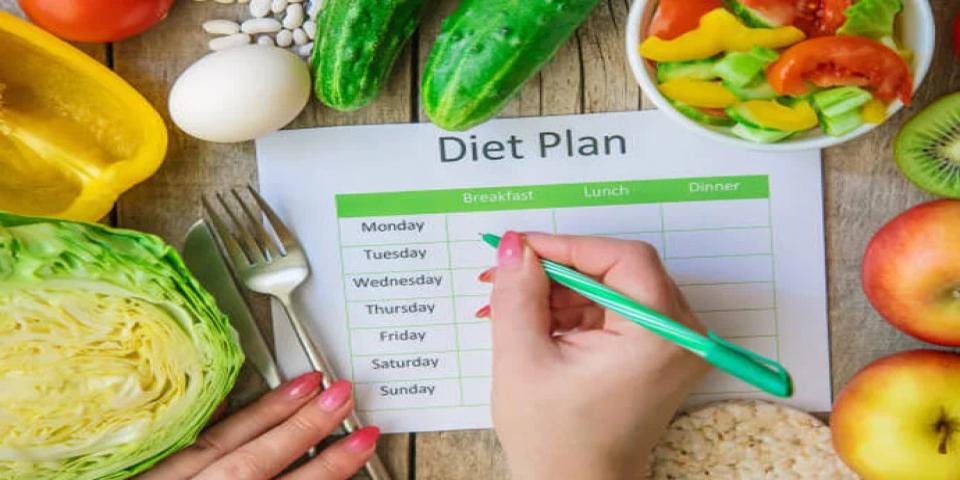
Sample PCOD-Friendly Indian Diet Plan:
Early Morning:
- Warm water with lemon or soaked fenugreek seeds
Breakfast:
- Vegetable oats or poha
- Herbal tea or green tea without sugar
Mid-Morning:
- One fruit like apple or papaya
- Handful of nuts
Lunch:
- Brown rice or millet roti
- Cooked vegetables
- Dal or lean protein
- Small portion of curd
Evening Snack:
- Roasted chana or murmura
- Green tea or herbal tea
Dinner (before 8 pm):
- Vegetable khichdi, soup, or grilled paneer with salad
- Avoid heavy, oily, or spicy foods
Lifestyle Tips to Support Hormonal Balance:
- Exercise regularly: yoga, walking, or strength training
- Sleep 7–8 hours every night
- Manage stress with meditation, breathing exercises, or hobbies
- Stay hydrated and limit processed foods
- Maintain consistent meal timings
These small lifestyle changes make a big difference in managing PCOD naturally.
Why Choose Dt. Bhushan Khedkar for PCOD Management?
At NutrOHeal Diet and Obesity Clinic, Dt. Bhushan Khedkar helps women manage PCOD naturally using personalised diet and lifestyle plans.
His approach focuses on:
- Customised diet plans for hormonal balance
- Supporting insulin sensitivity and weight management
- Sustainable lifestyle changes without extreme dieting
- Managing acne, hair growth, and menstrual irregularities caused by PCOD
With his guidance, women can improve hormone health, regulate their periods, and feel healthier overall.
When Should You Consult a Dietitian for PCOD?
Seek professional advice if:
- Periods are irregular or painful
- You experience unexplained weight gain or difficulty losing weight
- Excess facial or body hair, acne, or hair thinning
- You are planning for pregnancy and want to improve fertility
Early diet intervention can prevent long-term problems such as diabetes, obesity, and metabolic syndrome.
Conclusion:
PCOD is a hormonal condition, but it can be managed naturally with the right Indian diet, healthy lifestyle habits, and expert guidance. Following personalised nutrition advice from Dt. Bhushan Khedkar, one of the best dietitians in Pune, at NutrOHeal Diet and Obesity Clinic can help women achieve hormonal balance, control weight, and improve overall well-being without relying solely on medications.

Recent Posts

Best Diet for PCOD to Improve Hormonal Balance
Foods That Boost Immunity During Winter