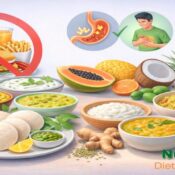

Foods That Boost Immunity During Winter
Winter brings cool breeze, cosy mornings and unfortunately, a higher risk of cold, flu, cough, and low immunity. Under the guidance of Dt. Bhushan Khedkar, one of the best dietitians in Pune, this article highlights simple, powerful, and science-backed foods that boost immunity during winter that help strengthen your body’s natural defence system. If you are someone who frequently catches infections during winter, the right diet from NutrOHeal Diet & Obesity Clinic can make a huge difference.
Why Winter Immunity Matters?
During winter, the body’s metabolism slows down, dehydration increases, and viral infections spread more easily. A nutrient-rich diet ensures your immune cells stay active and your body remains protected. Seasonal fruits, warming spices, traditional Indian foods, and gut-friendly choices work together to build a stronger immune shield.
Top Foods to Boost Immunity During Winter:
1. Citrus Fruits & Vitamin-C Rich Foods:
Oranges, lemons, sweet lime, amla, papaya, guava — all are rich in vitamin C, which increases the production of white blood cells that fight infections. Amla is especially powerful in winter as it is rich in antioxidants and keeps the body warm.
2. Leafy Greens & Winter Veggies:
Spinach (palak), methi, sarson ka saag, and other winter greens are loaded with vitamins A, C, and K, along with iron and folate. They help improve immunity, support red blood cell formation, and keep digestion strong. Carrots, beetroot, sweet potatoes, and radish further add winter-specific nutrition.
3. Spices & Herbs That Protect Your Body:
India’s traditional spices are immunity boosters by nature:
- Ginger reduces inflammation and eases throat infections.
- Garlic has natural antibacterial and antiviral properties.
- Turmeric contains curcumin, a powerful antioxidant that protects cells and promotes healing.
In winter, adding these spices to kadha, tea, soups, and sabzis gives natural warmth and protection.
4. Probiotic-Rich Foods for Better Gut Immunity:
Your gut controls almost 70% of your immune response. Yogurt, buttermilk, fermented foods, and probiotic drinks help maintain healthy gut bacteria, which keeps your body stronger against infections. In winter, curd can be taken slightly warm or at room temperature.
5. Nuts, Seeds & Healthy Fats:
Almonds, walnuts, sunflower seeds, pumpkin seeds, and flaxseeds are packed with vitamin E, zinc, good fats, and antioxidants. These nutrients protect cells, reduce dryness, and improve immunity. A handful of nuts every morning is a perfect winter routine.
6. Seasonal & Traditional Indian Winter Foods:
Jaggery (gur), sesame seeds (til), bajra, ghee, and warm soups are great winter companions. They supply energy, improve blood circulation, and support immunity from within. Gur-til laddoos, bajra bhakri, or ghee in dal are simple ways to enhance winter nutrition.
How to Include These Foods in Your Daily Routine?
- Start your day with amla juice or warm lemon water.
- Add palak, methi, and other greens to lunch or dinner.
- Use ginger-garlic in daily cooking.
- Take turmeric milk at night.
- Snack on roasted nuts and seeds.
- Drink adequate warm water to stay hydrated.
- Include yogurt or buttermilk with meals to support gut health.
Small daily changes create big improvements in immunity.
Conclusion:
Winter is the best time to nourish your body with seasonal, warming, and nutrient-dense foods. By adding citrus fruits, leafy greens, traditional spices, probiotic-rich foods, nuts, and wholesome Indian winter meals, you can naturally build a stronger defence system.
If you want a customised winter immunity diet plan, you can consult Dt. Bhushan Khedkar at NutrOHeal Diet & Obesity Clinic for expert nutrition guidance tailored to your health goals.

Recent Posts

Fatty Liver Best Diet Plan: Expert Guidance by Dr. Bhushan Khedkar

Keto Diet and Acidity: Is It Safe for Your Gut?